 YIDINGAIR FILTRATION
Get a quote↗
YIDINGAIR FILTRATION
Industry Insights
2020-11-05 · Updated 2026-09-27
From hospital hygiene to semiconductor fabs: how cleanrooms evolved, why pharmaceutical GMP drove stricter standards, and what it means for filtration today.
Key points
Clean technology emerged to meet the demands of research and manufacturing for precision, miniaturisation, high purity, quality and reliability. A cleanroom is a room in which air filtration, air distribution, construction materials and operating procedures together keep the concentration of airborne particles at a specified level — and keep it there consistently.
The idea of controlling contamination began in medicine, with antiseptic practice in operating rooms in the nineteenth century. The modern cleanroom arrived in the early 1960s, when the laminar-flow principle — filtered air moving in a uniform stream to sweep particles away — was developed in the United States. Cleanrooms spread rapidly through electronics and precision engineering and became a foundation of the semiconductor industry.
The technology was then carried from industrial cleanrooms (ICR) to biological cleanrooms (BCR), where the aim is to control viable microorganisms as well as particles. From the 1970s, cleanroom construction expanded into healthcare, pharmaceuticals, food and biochemistry.
Early cleanrooms were classified under the US Federal Standard 209, with classes such as Class 100 and Class 10,000. It was withdrawn in 2001 in favour of ISO 14644-1, which defines classes ISO 1 to ISO 9 by particle concentration per cubic metre and is used worldwide today.
Regulators have steadily tightened good manufacturing practice (GMP) for sterile and biological products, and with it the requirements for the production environment:
These revisions pushed manufacturers towards better-designed cleanrooms, validated filtration and routine monitoring.
Stricter rules and more sensitive products mean more demand for documented performance: classified HEPA filters, in-place leak testing, reliable pre-filtration and chemical filtration where molecular contamination matters. For suppliers, the emphasis has moved from simply supplying filters to supporting validation, testing and maintenance over the life of the facility.
The laminar-flow cleanroom was developed in the United States in the early 1960s and quickly adopted in electronics and aerospace.
ISO 14644-1. FED-STD-209E was withdrawn in 2001.
A cleanroom designed to control viable microorganisms as well as particles, used in pharmaceuticals, hospitals and biotechnology.
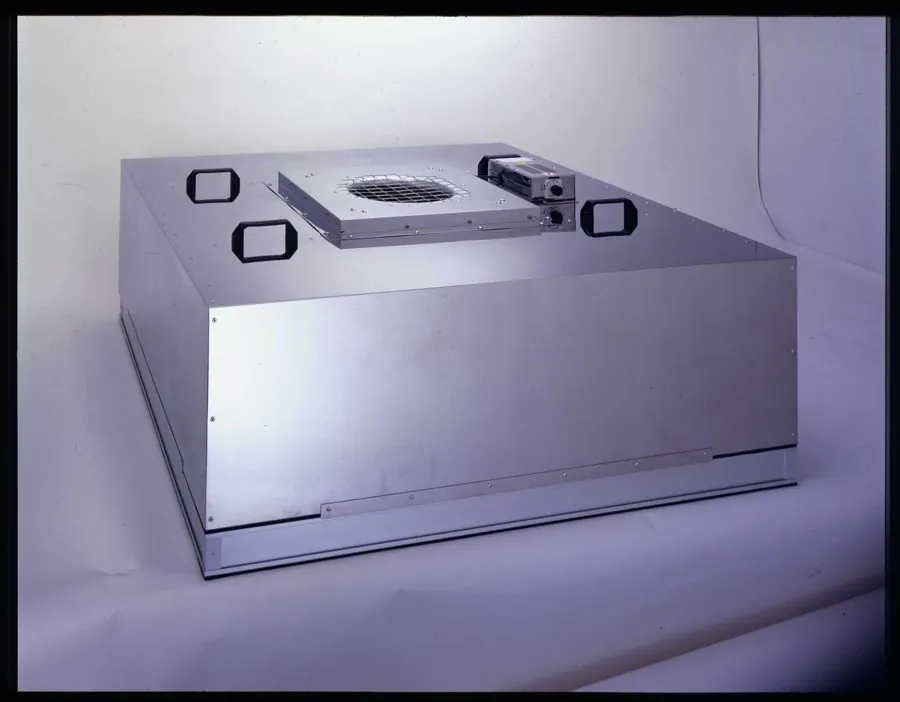
Integrated airflow and filtration for cleanrooms.
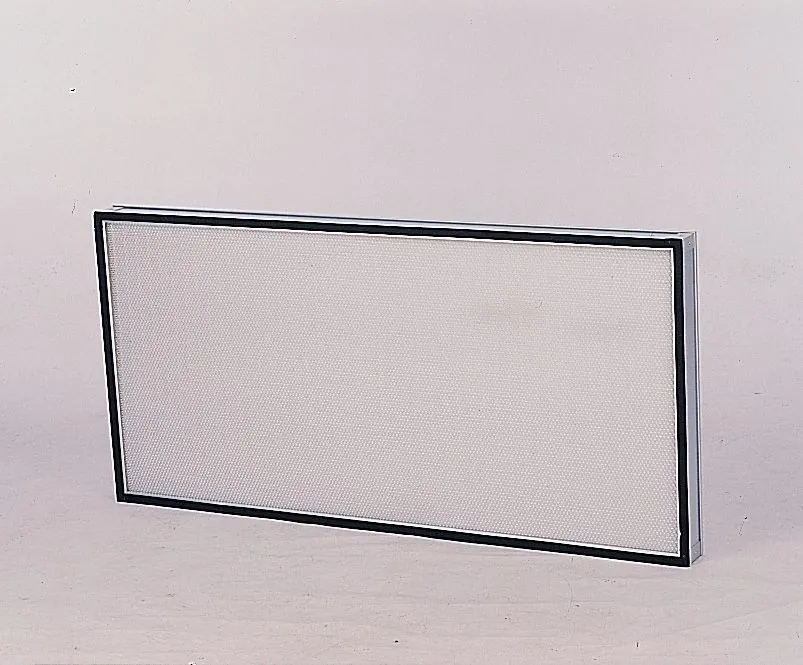
Low-profile filtration for critical clean environments.
Transfer materials between controlled spaces.
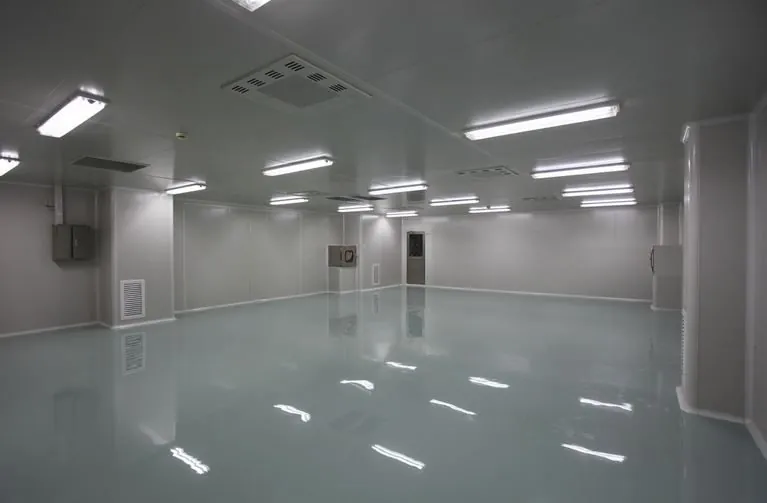
Localized vertical airflow for a cleaner work area.