 YIDINGAIR FILTRATION
Get a quote↗
YIDINGAIR FILTRATION
Technical Guides
2026-09-27
Sea-salt aerosol corrodes coils, electronics and products. Why coastal sites need dedicated salt filters, and how to build a filter stage that stays effective in humid air.
Key points
Wave action and wind put fine sea-salt particles into the air near the coast. Sodium chloride is hygroscopic: at around 75% relative humidity it absorbs moisture and turns into a saline droplet. Deposited on cooling coils, fan housings, switchgear or products, it drives corrosion and electrical failures — and in precision manufacturing it is a contamination source in its own right.
| Stage | Filter | Purpose |
|---|---|---|
| 1 | Weather louvre / moisture eliminator | Stops rain and large droplets |
| 2 | Coarse prefilter | Removes sand, insects and coarse dust |
| 3 | Salt-mist filter | Captures salt aerosol before coils and fans |
| 4 | Medium / HEPA filters as required | Process or cleanroom cleanliness |
Coastal factories, power facilities, hotels and commercial buildings, and semiconductor or precision plants near the sea. The AR208 is offered in standard- and high-airflow versions in 150 and 292 mm depths with a 95% dust-spot efficiency.
Concentrations are highest within the first few kilometres of the coast and vary with wind, waves and terrain. Sites close to the shore or facing prevailing sea winds benefit most from salt filters.
It removes part of the dry salt, but in humid air salt can pass as droplets or re-entrain. A water-repellent salt filter is more reliable.
Stainless steel offers the best corrosion resistance; aluminium is a lighter alternative. Avoid plain galvanised steel in exposed intakes.
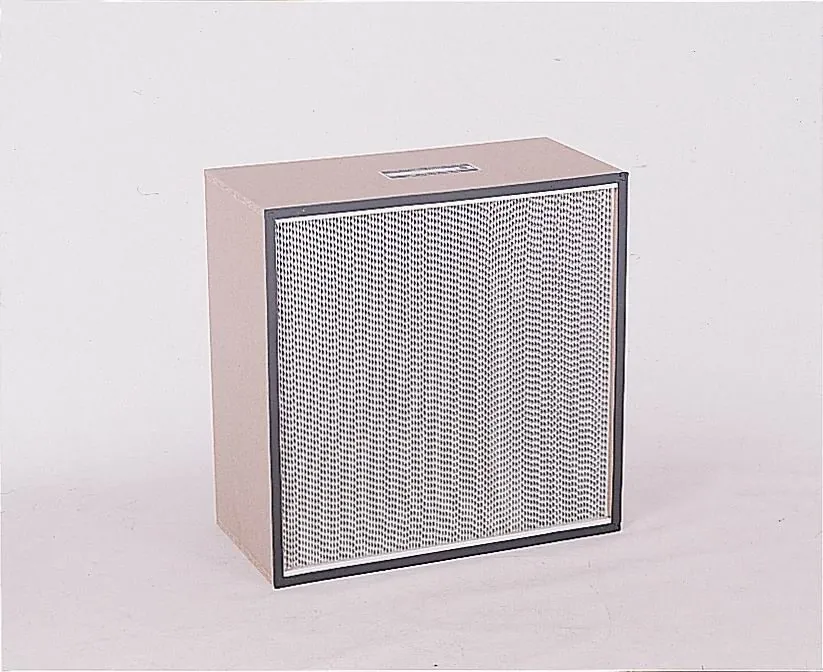
Air filtration for coastal environments.
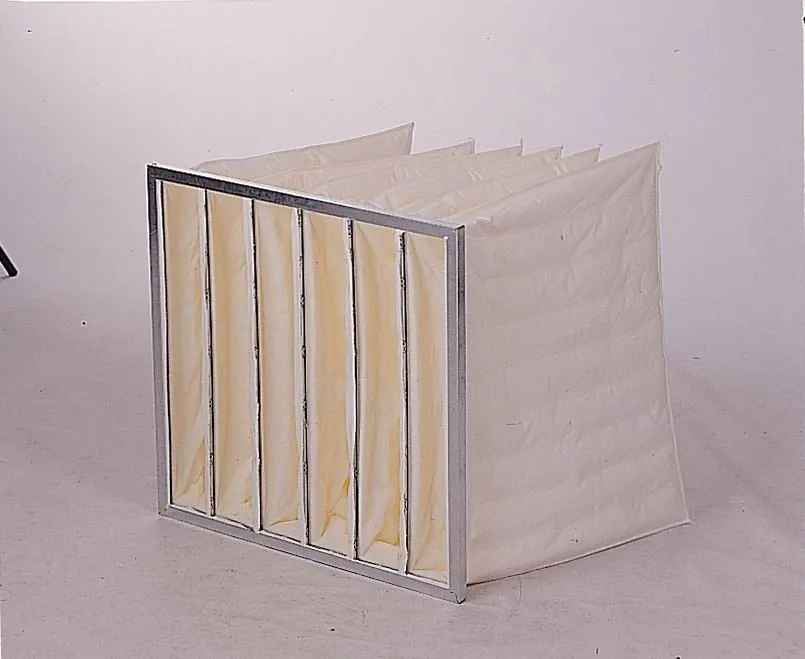
Multi-pocket filtration with synthetic fiber media.
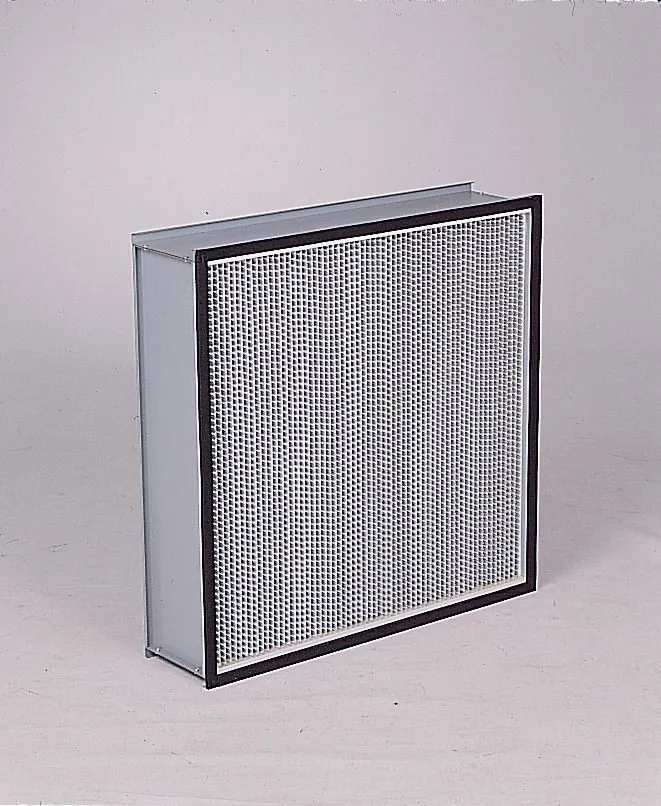
Extended-surface filtration for air handling units.
Washable mesh filtration for outdoor and return air.