 YIDINGAIR FILTRATION
Get a quote↗
YIDINGAIR FILTRATION
Technical Guides
2020-11-05 · Updated 2026-09-27
How well HEPA terminals are installed decides whether a cleanroom reaches its class. What to check on the specification, the room, the system, the delivered filters and the finished installation.
Key points
A HEPA filter only performs as well as it is installed. A damaged corner, a poorly sealed flange or dust left in the duct can keep a cleanroom from reaching its class even with the right filters. Every step below has caused failures on real projects.
Check that the dimensions and efficiency of the filters or terminal units match the cleanroom design and the customer's application standard before installation starts.
Clean the delivered products and the entire cleanroom. Clean any dust out of the clean-air system, the ceiling void and interstitial spaces until they meet the cleanliness requirement. Then run the air system continuously for at least 12 hours and clean again before the HEPA filters go in.
Transport and store filters in the orientation marked by the manufacturer. Handle them gently and avoid vibration and impact — the media is fragile.
For unidirectional-flow rooms, allocate filters by their measured resistance so that on the same outlet or supply face the rated resistance of each filter differs from the average by less than 5% — this keeps the airflow uniform.
Terminal HEPA filters used to filter aerosols in ISO 5 or cleaner rooms, or where the project requires it, must each be leak-scanned on site after installation and pass.
Running the system flushes out construction dust from ducts and plenums. Installing HEPA filters first would load them with that dust on day one.
Do not install it. Damage to the media or sealant can cause leaks that fail the scan test.
Every terminal HEPA filter in ISO 5 or cleaner rooms, and any others the project specification requires.
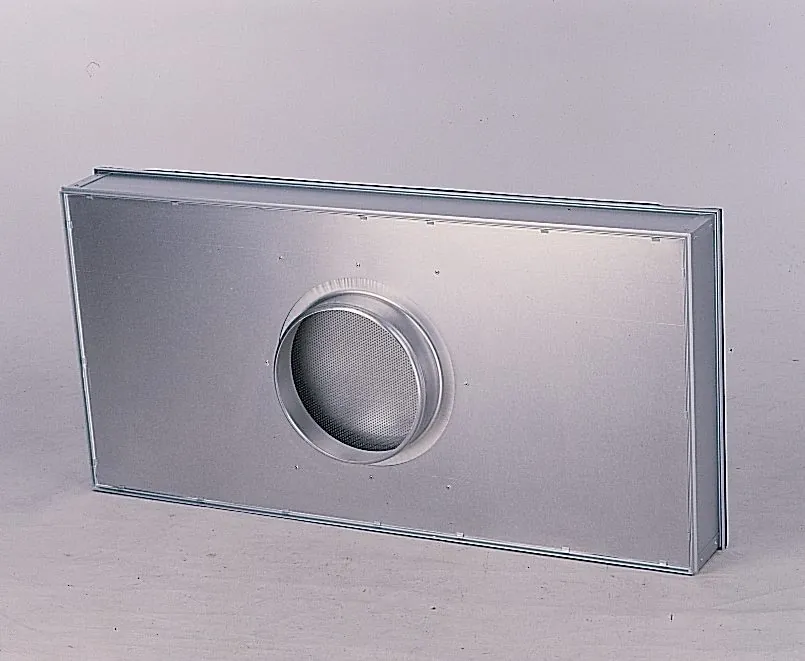
An integrated terminal filter and duct connection.
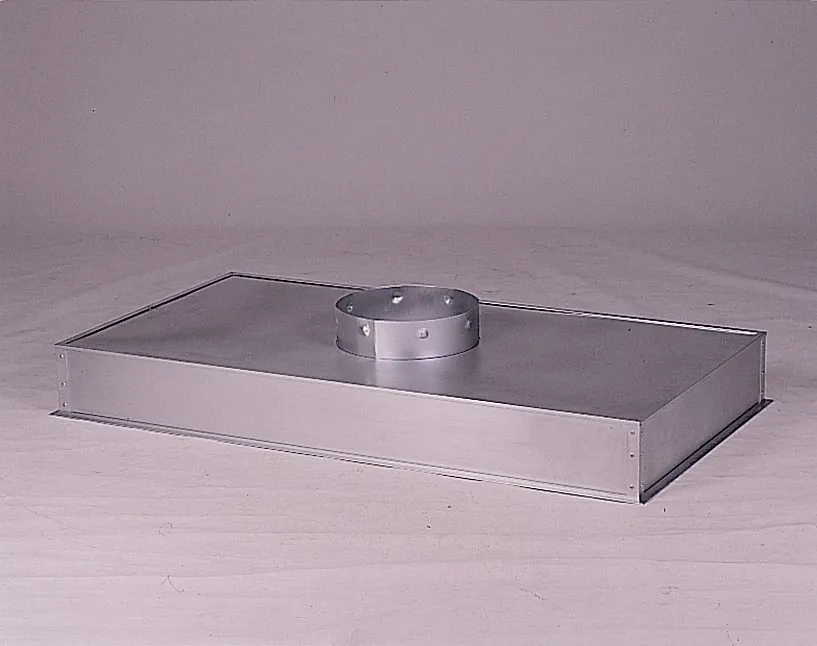
A ceiling filter housing with room-side access.
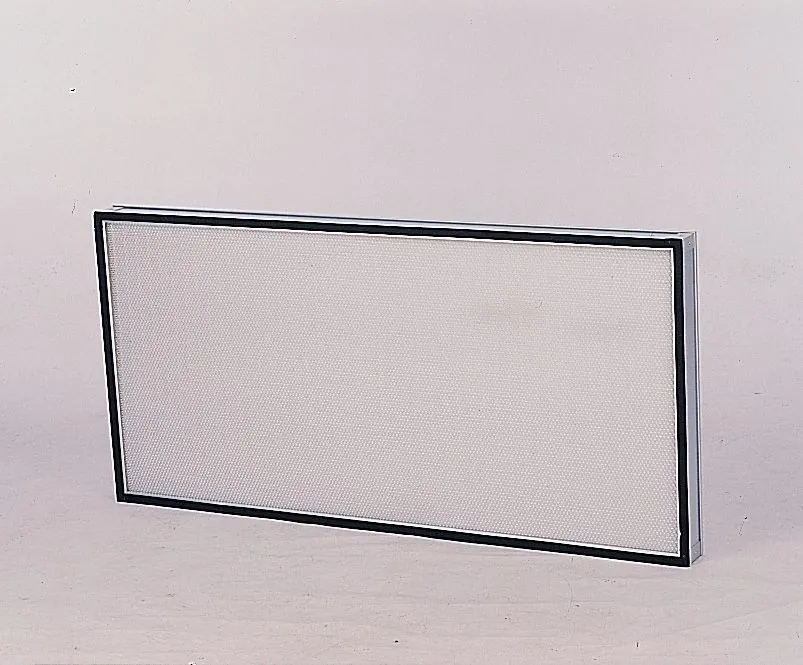
Low-profile filtration for critical clean environments.
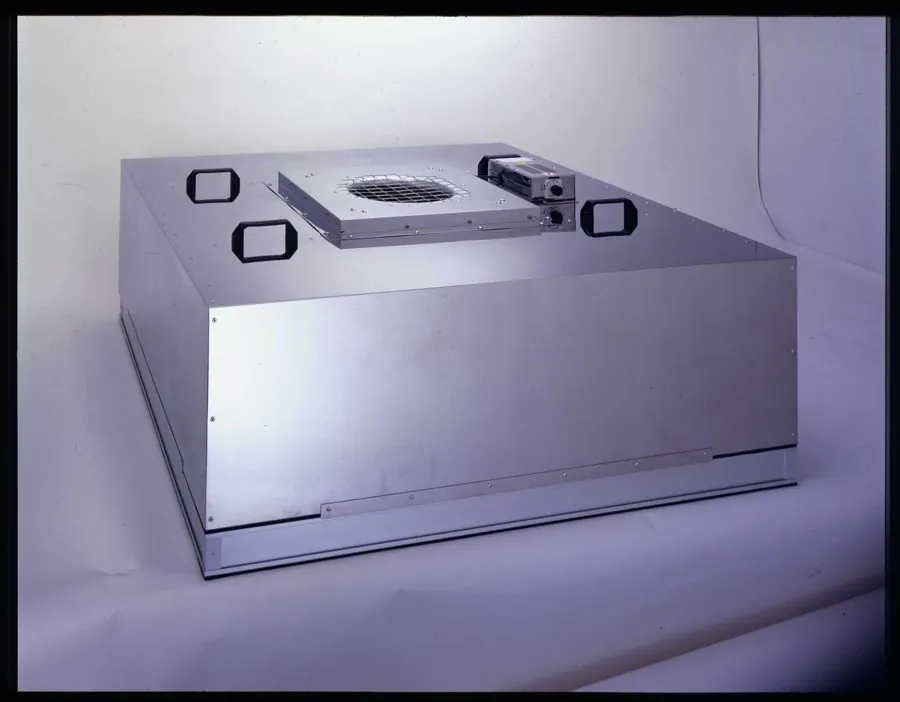
Integrated airflow and filtration for cleanrooms.