 YIDINGAIR FILTRATION
Get a quote↗
YIDINGAIR FILTRATION
Industry Insights
2020-11-05 · Updated 2026-09-27
Where air filters are used — HVAC, cleanrooms, gas turbines, vehicles and industry — and the forces shaping what buyers ask for: air quality, energy, regulation and documentation.
Key points
The technologies overlap, but each application has its own materials, manufacturing processes and sales channels. The industry has many manufacturers and is competitive, with relatively few operating at large scale.
| Application | What it needs |
|---|---|
| Commercial and residential HVAC | Low pressure drop, ISO 16890 grades, standard sizes |
| Cleanrooms | Classified HEPA/ULPA filters, leak testing, pre-filtration |
| Gas turbines and compressors | Intake protection, moisture and salt resistance, high dust capacity |
| Vehicles | Cabin and engine intake filtration |
| Industrial processes | Dust collection, high temperature, chemical filtration |
Across these markets, buyers ask for more than a filter at a price. They compare total cost of ownership — purchase price, energy and replacement interval — and expect test reports, clear classification under current standards, and filters made to the exact size of their housings. Suppliers that can document performance and build to specification are best placed to serve them.
The original version of this article, published in 2020, quoted market forecasts from that time. Those figures are now out of date and have been removed; this updated version focuses on applications and demand drivers that remain relevant.
HVAC for commercial and residential buildings, followed by specialised markets such as cleanrooms, gas turbines, vehicles and industrial processes.
Fan energy rises with filter resistance. Over a filter's life, the energy cost can exceed its purchase price, so low-resistance designs reduce total cost.
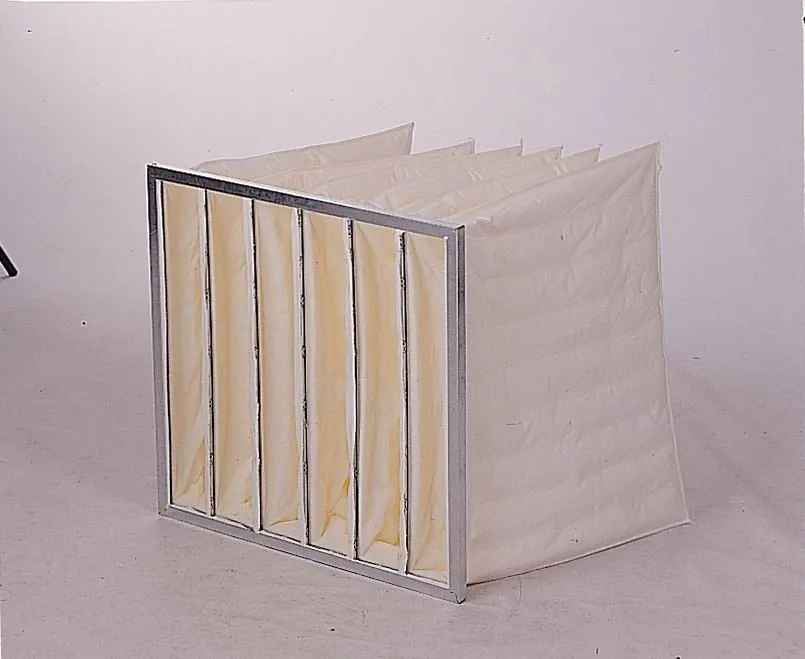
Multi-pocket filtration with synthetic fiber media.

Low-profile filtration for critical clean environments.
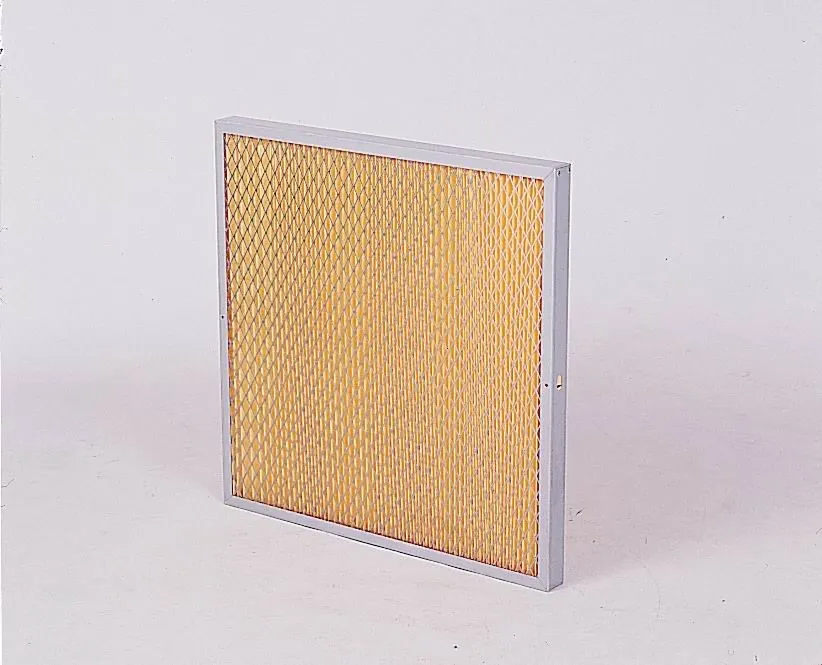
Intake filtration for compressor applications.
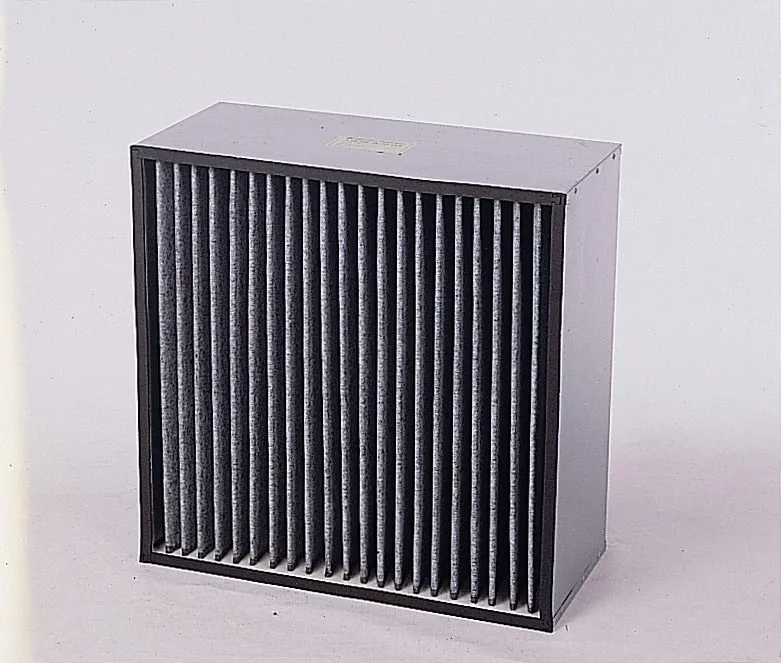
Gas-phase filtration for sensitive processes.