 YIDINGAIR FILTRATION
Get a quote↗
YIDINGAIR FILTRATION
Technical Guides
2020-11-05 · Updated 2026-09-27
Air handling systems use filters in stages. What coarse, medium-efficiency and HEPA filters each do, the formats they come in, and where each is used.
Key points
No single filter does everything. Air handling systems combine a coarse stage, a medium-efficiency stage and, where clean air is critical, a HEPA stage. Each stage removes a size range of particles and protects the more expensive filters after it.
| Stage | Captures | Common formats | Typical use |
|---|---|---|---|
| Coarse (primary) | Particles above ~5 µm | Panel, pleated, pocket; mesh | Intake and first stage of AHUs |
| Medium efficiency | Particles ~1–5 µm | Pocket, pleated, cell (P/V/W) | General supply air; pre-HEPA |
| HEPA / ULPA | Sub-micron particles | Mini-pleat panel, V-bank, separator | Cleanrooms, hospitals, labs |
Coarse filters are used as the first stage of air conditioning and central ventilation systems, and are enough on their own for simple ventilation. They have low resistance, handle high airflow, and are inexpensive, light and compact.
They come as panel, pleated and pocket filters with cardboard, aluminium or galvanised steel frames. Media include nonwoven fabric, nylon mesh, activated carbon media and metal mesh, with painted or galvanised wire guards. Cardboard-framed types are disposable; others allow the media to be changed or cleaned.
Medium-efficiency filters capture particles of about 1–5 µm. Older catalogues rate them at 60–95% by the dust-spot (colorimetric) method; today they are classified under ISO 16890. They are used in air conditioning and central supply systems, as intermediate protection in multi-stage systems, and — where cleanliness demands are modest — can supply air directly to the occupied space.
HEPA and ULPA filters are the final stage for cleanrooms, operating theatres, laboratories and critical processes. They are classified under EN 1822 / ISO 29463 (H13, H14, U15 and above) and are leak-tested individually. See our guides to H13 vs H14 and to choosing between mini-pleat, V-bank and separator constructions.
Primary (coarse) filters stop particles larger than about 5 µm at low resistance; medium-efficiency filters capture finer dust of roughly 1–5 µm and protect the HEPA stage.
Cleanrooms and critical areas use all three. General building ventilation often uses only coarse and medium-efficiency stages.
They come from EN 779, which ISO 16890 replaced in 2018. Coarse filters are now rated as ISO Coarse, though G-classes are still seen in older specifications.
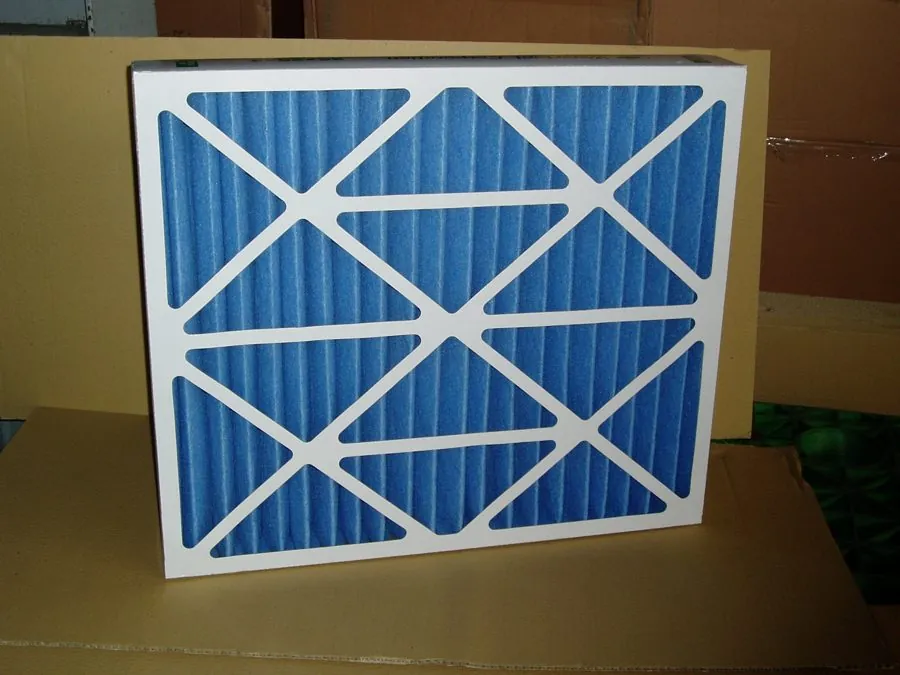
Pleated prefiltration for ventilation systems.
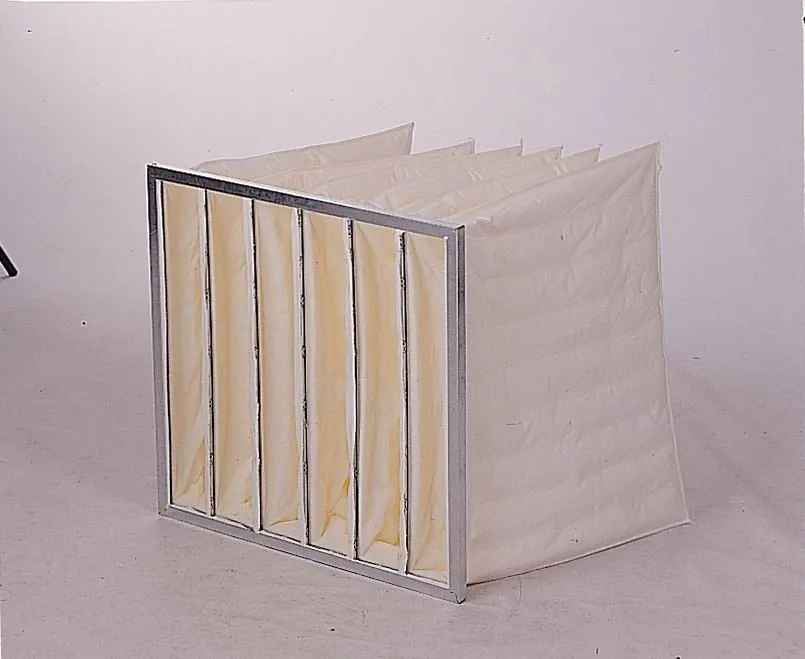
Multi-pocket filtration with synthetic fiber media.
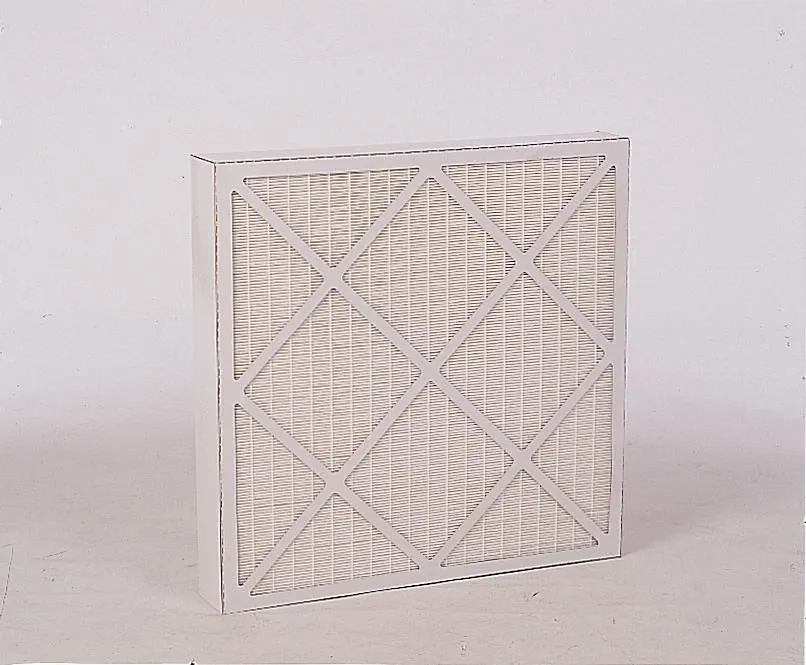
Panel-format intermediate air filtration.
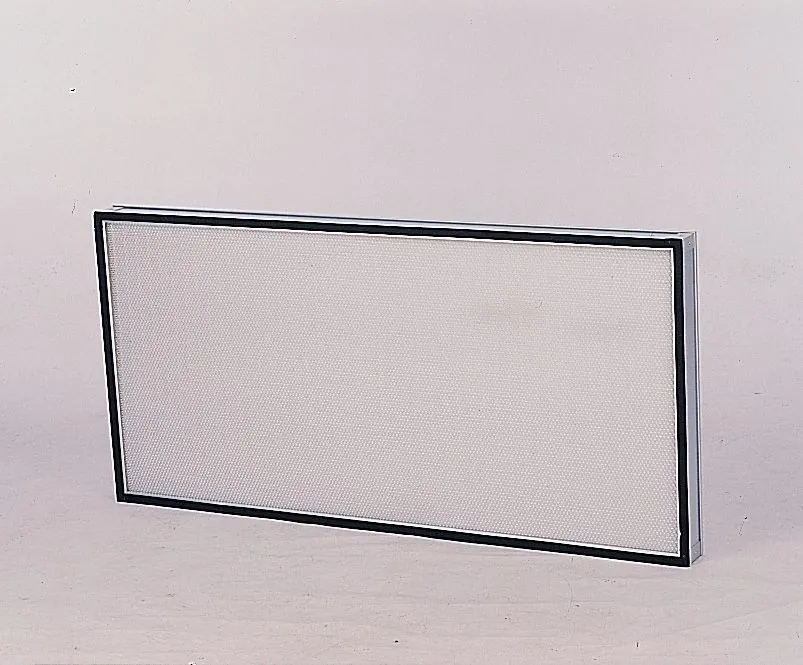
Low-profile filtration for critical clean environments.