 YIDINGAIR FILTRATION
Product overview
What it is and where it fits.
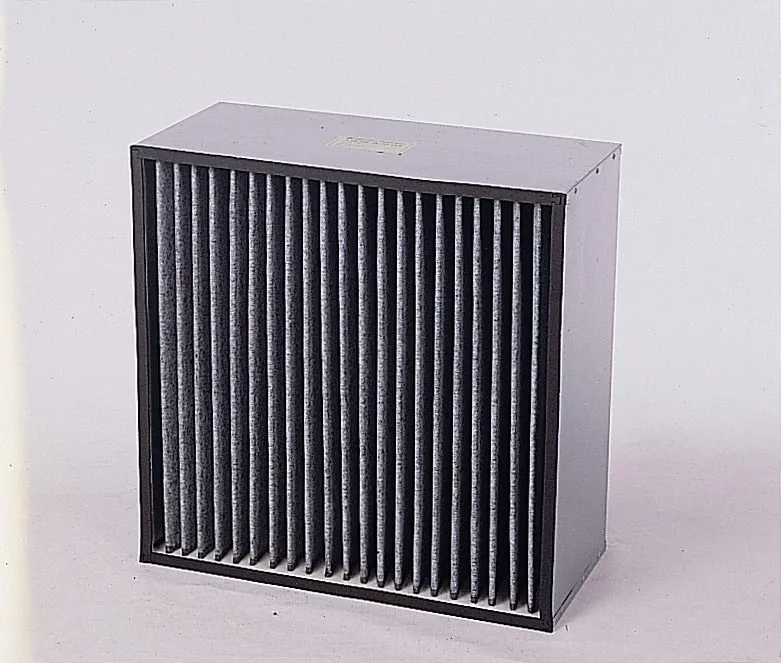
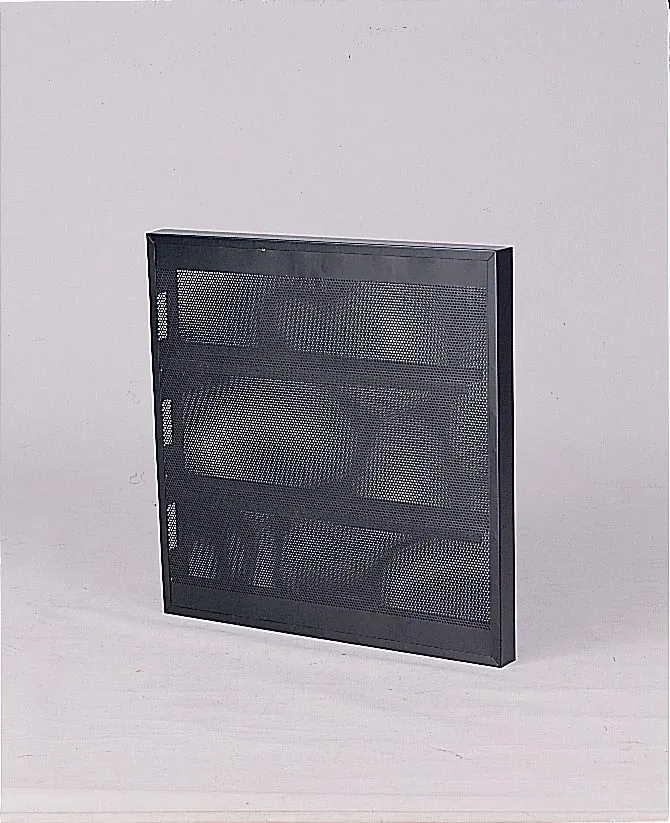
Gas-phase filtration depends on choosing the right media for the contaminant. Yiding supplies four media grades that remove gases either by physical adsorption or by chemical neutralisation, for use in packed-bed, tray and cartridge filters.
Media is selected together with the housing and bed depth for your gas mixture, concentration, airflow, temperature and humidity.
- MM-1000
- Activated alumina with potassium permanganate — odour control, H₂S
- MM-3000
- Activated carbon — broad-range physical adsorption (VOCs, odours)
- MM-7000
- Phosphoric-acid-impregnated carbon — alkaline gases such as ammonia
- MM-9000
- Potassium-hydroxide-impregnated carbon — acidic gases
Typical applications
- Semiconductor and electronics fabs (molecular contamination control)
- Laboratories and data centres
- Odour control in commercial and industrial buildings
- Refilling packed-bed and tray filters
Construction & performance
Select media for the contaminant
Four media grades are listed below for physical adsorption or chemical neutralization. Tell us the target gas and concentration, airflow, temperature, humidity and replacement requirements.
Sizing & performance
Media loading, bed depth, removal efficiency and service life are specified for the selected housing and operating conditions.
Selection guide
How to choose.
Match chemistry to the gas
Acidic gases need an alkaline-impregnated media (MM-9000); alkaline gases such as ammonia need an acid-impregnated media (MM-7000); H₂S and odours suit permanganate alumina (MM-1000); general VOCs suit activated carbon (MM-3000).
Mixtures
Several media can be combined in layers or blended to treat mixed contaminants.
Technical data
Specifications & dimensions.
Rated airflow in m³/h, pressure drop in Pa, actual dimensions in mm, nominal sizes in inches. Swipe tables sideways on small screens.
| Media grade | Media description |
|---|---|
| MM-1000 | Activated alumina blended with potassium permanganate for moisture and odor control. Reaction products from hydrogen sulfide treatment remain in the granules. |
| MM-3000 | Activated carbon removes gas molecules by physical adsorption and is suitable for a range of contaminants. |
| MM-7000 | Phosphoric-acid-impregnated activated carbon targets alkaline molecular contaminants through adsorption and chemical neutralization. |
| MM-9000 | Potassium-hydroxide-impregnated activated carbon targets acidic molecular contaminants through adsorption and chemical neutralization. |
Catalogue values at rated airflow. Test data for your exact configuration is available on request.
Original Yiding catalogue (Chinese) ↗FAQ
Common questions.
What is impregnated activated carbon?+
Activated carbon treated with a chemical, such as potassium hydroxide or phosphoric acid, that reacts with specific gases. It removes contaminants that plain carbon adsorbs poorly.
What is permanganate alumina used for?+
Activated alumina blended with potassium permanganate oxidises gases such as hydrogen sulfide; the reaction products stay in the granules.