← News & Updates
Technical Guides
Air Filter Cleaning and Replacement: A Practical Procedure
2020-11-05 · Updated 2026-09-27
Which filters can be washed and how, how to clean the air handling unit during a change, and a step-by-step procedure for replacing and verifying HEPA filters.
Key points
- Only filters designed to be washed — metal and nylon mesh prefilters — should be cleaned; pocket, pleated and HEPA filters are replaced.
- Blow lightly soiled washable filters clean with compressed air; wash heavily soiled ones in dilute detergent and dry them in the shade.
- Clean the air handling unit every time prefilters and medium filters are changed.
- Install new HEPA filters straight from the box onto a cleaned seat, then leak-scan and record.
Where air filters are used
Air filters protect clean workshops and plants, operating theatres, laboratories and cleanrooms, and keep dust out of electronic, mechanical and communication equipment. They are used across petrochemicals, metallurgy, power, machinery, textiles, automotive, electronics, food, pharmaceuticals, biotechnology and research. Whatever the application, correct cleaning and replacement keeps the system at its design performance.
Cleaning washable filters
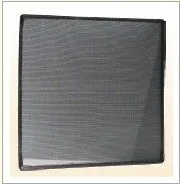
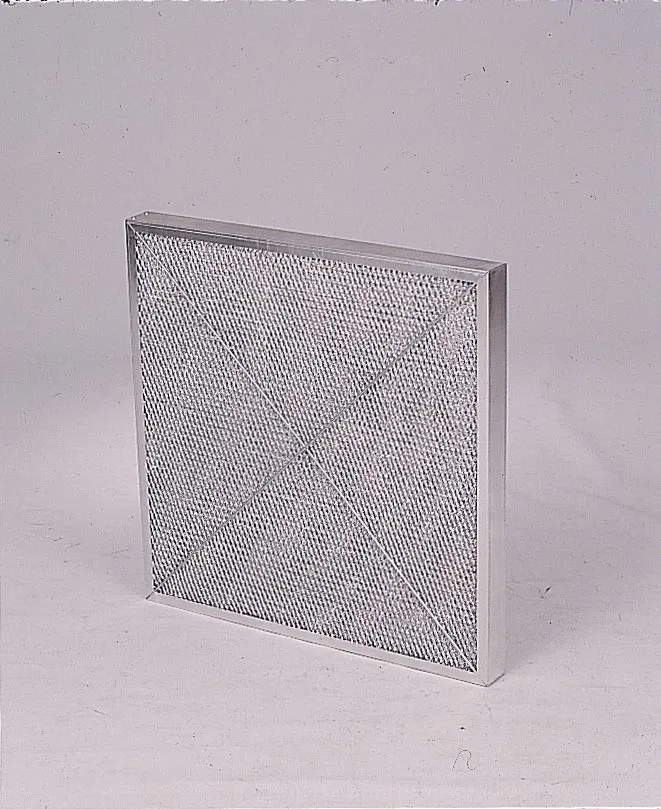
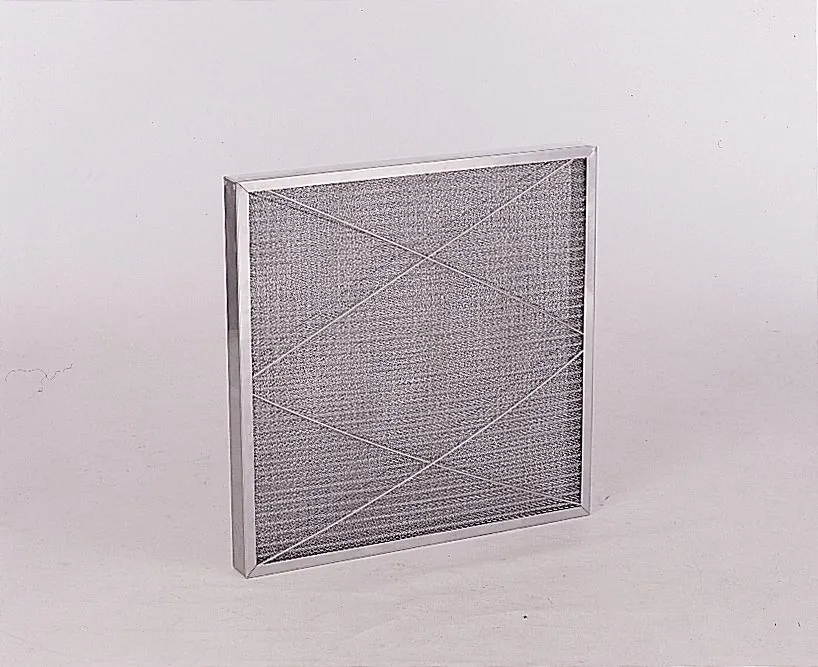
Washable prefilters — metal mesh and nylon mesh types — can be reused many times if cleaned correctly.
- Light dust: take the filter outdoors and blow both faces with clean compressed air until no dust is visible against the light.
- Heavy dust: wash in a tank of drinking-quality water with a small amount of neutral detergent, fully submerged. Rinse several times until clean, then rinse with clear water until the water runs clear.
- Drain on a stainless steel grid, then lay flat on a rack to dry in the shade, turning often so both sides dry evenly.
- Never wash pocket, pleated panel or HEPA filters — water damages their media and seals.
Cleaning the air handling unit
- Wipe the outside of the air handling unit and its pipework regularly so the plant room stays clean.
- Remove oil and adhesive marks with a cloth and neutral detergent, then wipe with clean water.
- Every time prefilters and medium-efficiency filters are replaced, clean the unit interior thoroughly — panels, fan, heater, cooling coil and diffuser plates — leaving no dust or oil, then install the new filters.
- In critical systems, clean the unit interior on a fixed schedule: first with a damp cloth, then a dry one.
When to replace a HEPA filter
Replace a HEPA filter when room particle counts rise clearly above the design level, or when its airflow falls below about 70% of the initial airflow and cannot be restored. A leak found during scanning can often be sealed; if not, the filter is replaced. For medium and prefilters, use the final pressure drop — see our guide on when to replace pocket, panel and HEPA filters.
HEPA replacement procedure
- Wipe the filter seat and the surrounding frame with a damp, clean cloth — three times — and install the new filter immediately afterwards.
- Unpack HEPA filters on site, inspect media, sealant and frame, and install without delay so no dust settles on them.
- After installation, scan the filter face and the joint to the housing with a particle counter.
- While scanning, tighten fixing bolts or seal leaks with a suitable sealant (such as epoxy or silicone) and rescan.
- Record each inspection, replacement and test result, and verify the room after the change.
Frequently asked questions
Can I wash a HEPA filter?+
No. Washing destroys the glass-fibre media and seals. HEPA filters are replaced, never cleaned.
How do I dry a washed metal filter?+
Drain it on a grid, then dry it flat in the shade, turning it regularly. Reinstall only when completely dry.
Why clean the AHU when changing filters?+
Dust inside the unit is released as soon as the fan restarts and loads the new filters immediately. Cleaning first protects the new filters and the room.
 YIDINGAIR FILTRATION